
Mastering Multi-Table Tournaments: A Strategic Guide for 2026

Multi-Table Tournaments (MTTs) represent the pinnacle of online poker, attracting thousands of players who vie for massive prize pools. Unlike cash games, MTTs are a game of survival and strategic adaptation. As the tournament progresses through different stages, the dynamics of stack sizes, blinds, and payout structures demand a flexible and calculated approach. This guide provides a comprehensive framework for navigating the complexities of MTTs in 2026, covering everything from the initial hands to the final table.
Phase 1: The Early Stages – Play it Like a Cash Game
In the early levels of an MTT, the blinds are small relative to the deep stacks. This environment closely resembles a deep-stacked cash game, meaning there’s no immediate pressure to accumulate chips frantically. The primary objective here is preservation and capitalizing on strong hands. It’s crucial to play a tight, positionally-aware game. Avoid getting all your chips in the middle with marginal hands like top pair with a weak kicker or medium pairs. Patience is your greatest asset; wait for premium hands and favorable situations to build your stack without taking unnecessary risks.
Your preflop strategy should be conservative from early positions and gradually loosen up as you move closer to the button. 3-betting should be polarized, consisting of your strongest value hands (like AA, KK) and some well-chosen bluffs to balance your range. The goal is to navigate these initial stages without jeopardizing your tournament life, setting a solid foundation for the more aggressive phases to come.
Phase 2: The Middle Stages – Aggression and Adaptability
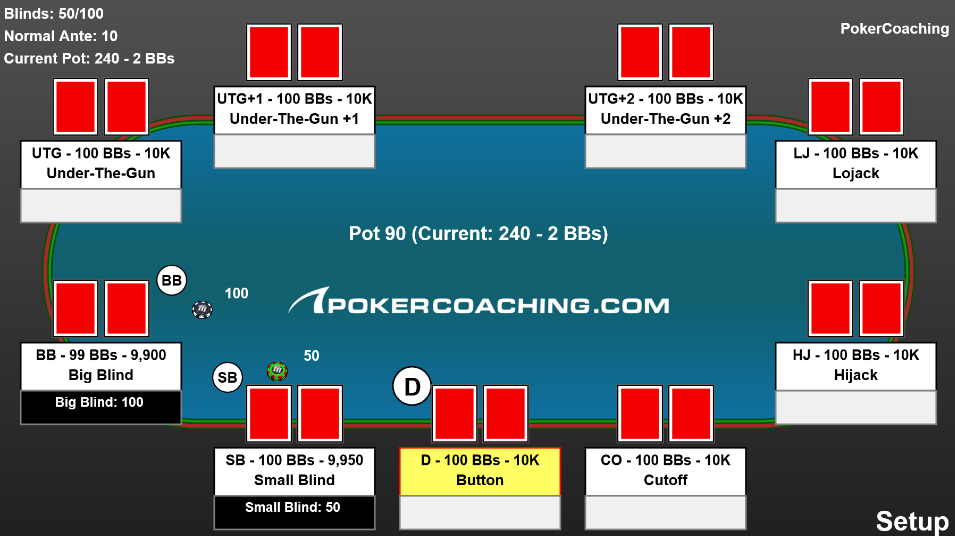
As the tournament enters the middle stages, the blinds and antes start to become a significant factor. Your stack, relative to the blinds (measured in big blinds or ‘M’), will dictate your strategy. This is where the game transitions from a patient, cash-game style to a more aggressive, stack-focused approach. Stealing blinds and antes becomes a critical part of maintaining and growing your stack.
You should start to open your raising range from late positions (cutoff and button), especially against tighter players who are likely to fold their blinds. Re-stealing by 3-betting against other late-position raisers is also a powerful move. When you have a medium stack (20-40 big blinds), you are in a prime position to apply pressure on both the big stacks (who want to avoid confrontation) and the short stacks (who are desperate to survive). Identifying your opponents’ tendencies is key. Target passive players who fold too often and be prepared to play post-flop poker to exploit your edge.

Phase 3: The Bubble and Late Stages – Mastering ICM
The bubble is the most intense phase of an MTT. It’s the point where the next player eliminated leaves with nothing, and everyone else is guaranteed a cash prize. This is where the Independent Chip Model (ICM) becomes the single most important concept. ICM dictates that the chips you gain are worth less than the chips you lose. Survival is paramount, and this creates unique strategic dynamics.
- Big Stacks: As a big stack, you should relentlessly pressure the medium and short stacks. They cannot afford to bust on the bubble, so they will be forced to fold all but their strongest hands. Open-raise wide and put them to tough decisions.
- Medium Stacks: Your situation is tricky. You must avoid clashing with the big stacks but can apply pressure on the short stacks. Look for low-risk spots to steal blinds and maintain your stack.
- Short Stacks: Your goal is to survive into the money. You need to be extremely selective with your hands, looking for a good spot to double up. Your fold equity is low, so you’ll often be in a push/fold situation.
Once the bubble bursts, the aggression typically increases as short stacks try to double up. Continue to apply ICM principles as the payout jumps become more significant.

Phase 4: The Final Table – The Ultimate Test
Reaching the final table is a significant achievement, but the job isn’t done. The payout jumps are now massive, and ICM pressure is at its peak. Your strategy must be finely tuned to the stack sizes and player tendencies at the table. A deep understanding of final table dynamics separates the winners from the rest. Pay close attention to the stack sizes of your opponents. The chip leader can exert immense pressure, while short stacks will be looking for any opportunity to move up the payout ladder. Adjust your ranges, be aware of the ICM implications of every decision, and play with controlled aggression to give yourself the best chance of capturing the title.



Editorial Review: This guide has been reviewed by the editorial team for clarity, practical value, mobile usability, payment safety, and safer decision-making.