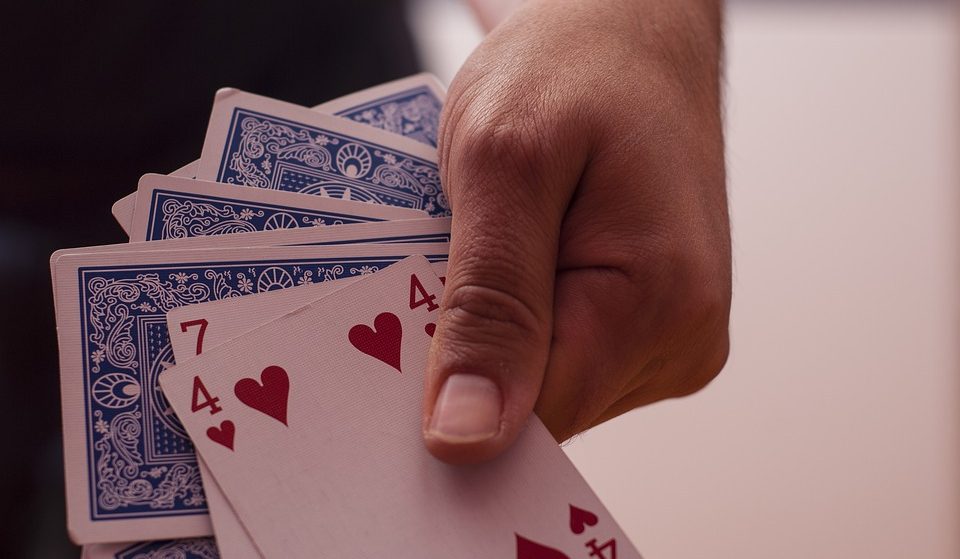

In the world of poker, mastering the art of bluffing is a key element in achieving success at the tables. Bluffing involves deceiving your opponents by representing a stronger hand than you actually hold, leading them to make a different decision than they would if they saw your cards. This guide will explore the concept of the perfect bluffing strategy and delve into the psychological and strategic elements that make it a crucial aspect of poker gameplay.
The Importance of Bluffing in Poker
Bluffing is not just about tricking your opponents; it’s about leveraging psychology and strategy to gain an edge. It adds a layer of complexity and excitement to the game, making it more than a mere battle of cards. Bluffing forces your opponents to question the strength of their own hands and can ultimately lead them to fold, even when they have a better hand.
Understanding the Bluff-to-Value Ratio
To achieve optimal gameplay, players need to grasp the concept of the bluff-to-value ratio. This ratio measures the balance between bluffing and value betting, two fundamental strategies in poker. The bluff-to-value ratio determines how often you should bluff relative to the value hands you have.
Defining the Bluff-to-Value Ratio
The bluff-to-value ratio represents the proportion of bluffs to value bets in your overall strategic decision-making. It guides you in choosing when to bluff and when to extract value from your strong hands. By maintaining the right bluff-to-value ratio, you can keep your opponents guessing and make profitable decisions.
Making Informed Choices
Understanding the bluff-to-value ratio empowers players to make informed choices based on the dynamics of the game. It helps you assess the likelihood of your opponents folding and the potential payoff of your bluffs versus the expected value of your value bets. By analyzing the situation at hand, you can adjust your bluffing frequency to maximize your success.

Adapting to Game Situations
The optimal bluff-to-value ratio is not a fixed number but rather a flexible concept that adapts to different game situations. It depends on variables such as table dynamics, stack sizes, player tendencies, the board cards and more. Recognizing these factors and adjusting your bluffing strategy accordingly is crucial to maintaining a winning approach.
Understanding GTO Analysis and the Bluff-to-Value Ratio
GTO (Game Theory Optimal) analysis is a strategic approach in poker that aims to find the optimal decision in every situation based on mathematical principles. Its purpose is to create a balanced strategy that is difficult for opponents to exploit.
GTO (Game Theory Optimal) analysis in the context of poker
The principles behind GTO analysis involve using balanced ranges and exploiting opponents’ imbalances. Balanced ranges consist of a proportional distribution of strong hands, bluffs, and marginal hands, making it challenging for opponents to deduce the strength of one’s hand based on betting patterns.
Bluff-to-value ratio and its role in GTO strategy
The bluff-to-value ratio is a key component of GTO strategy as it determines the appropriate balance between bluffing and value betting in a player’s range. It represents the equilibrium between bluffing and value betting and is crucial for maintaining a balanced range and preventing opponents from exploiting one’s strategy.
The Perfect Polarized Model
In the world of poker, applying game theory involves making certain assumptions and simplifications. These simplifications are necessary to analyze complex poker scenarios effectively. However, it’s important to acknowledge the limitations of the perfect polarized model and its deviations from real-world play.
Assumptions and Simplifications in Game Theory
The perfect polarized model assumes that players always bet with either their strongest hands (value bets) or their weakest hands (bluffs), completely polarizing their range. While this model provides a useful framework for analysis, it may not accurately reflect the nuances of real-world play.

The Significance of the River and Bluff-to-Value Ratios
The river stage in poker is crucial for decision-making. It’s the final opportunity to extract value or execute a successful bluff. Understanding bluff-to-value ratios becomes particularly relevant here. The perfect polarized model offers insights into how players can optimize their strategies on the river.
Calculating the Perfect Bluffing Frequency
In the game of poker, bluffing is a crucial strategy that can help players win pots even when they don’t have the best hand. However, bluffing should be done with careful consideration of various factors, including the aggressor’s bet size, pot odds, and the defender’s calling range.
The Relationship Between Bet Size and Bluffing Frequency
The size of the aggressor’s bet plays a significant role in determining the optimal bluffing frequency. When the bet size increases, the required success rate of a bluff increases. Conversely, smaller bet sizes require a lower success rate for bluffs to be profitable. It’s important to strike a balance between bet size and bluffing frequency to maintain a profitable strategy.
Example Scenario: Calculating Calling Odds for the Defender
Let’s consider a hypothetical hand scenario to illustrate the calculation of pot odds. Suppose we are playing in a No-Limit Texas Hold’em game with a $100 pot, and our opponent makes a $50 bet. The cost for us to call is $50 as well. To calculate the pot odds, we divide the final pot size ($150) by the cost of our call ($50). In this case, the pot odds would be 3:1. This means that for the bluff-catch to be profitable, our call must succeed at least 25% of the time.


Editorial Review: This guide has been reviewed by the editorial team for clarity, practical value, mobile usability, payment safety, and safer decision-making.